 THE MAGAZINE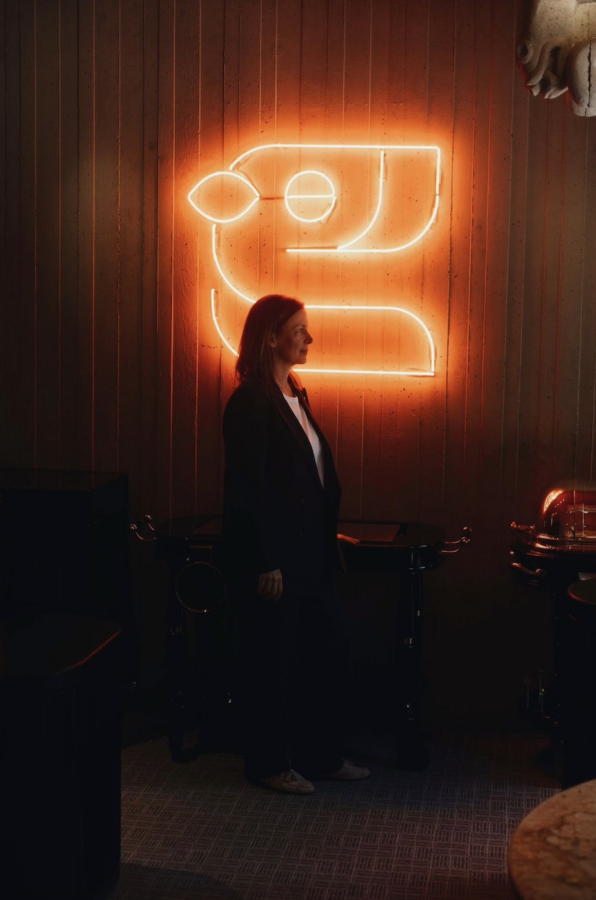




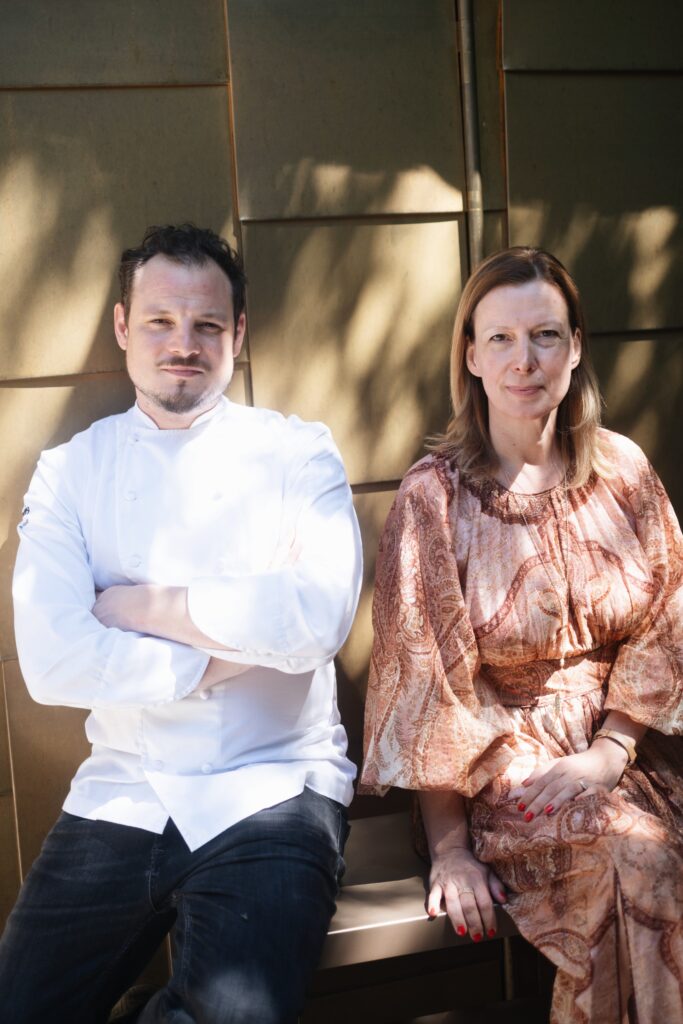
Sabine Eichbauer knows Tantris from the inside. For several years, she has played an active role in shaping the vision and evolution of this Munich institution, from its architecture and approach to hospitality to its commitment to biodynamic farming. Today, following Matthias Hahn’s departure, she is stepping more directly into its leadership and becoming one of the faces of its next chapter.
This new responsibility opens up a broader conversation about what it means to lead a great restaurant today. How do you preserve a strong identity without allowing it to become fixed? How do you respond to changing expectations without chasing trends? And how can hospitality become a genuine space for connection?
A conversation with a restaurateur who believes less in disruption than in getting things right: knowing who you are, continuing to evolve, and giving guests the feeling that they are no longer simply witnessing a story, but becoming part of it.
Betty Marais : For many years, you have been one of the key figures behind the scenes at Tantris. Today, following Matthias Hahn’s departure, you are stepping into a more visible leadership role. How do you experience this transition, both personally and professionally?
Sabine Eichbauer : Leading from the front instead of the sideline is both frightening and satisfying. It’s all eyes on you. I believe in tackling problems head-on and am now in the position to do that! Not shying away from difficult conversations, plus making fast decisions, are essential managing skills, in my opinion.
My greatest joy in this process is getting to know my team better, both on a personal and professional level. My biggest challenge is not getting lost in the vastness of the day-to-day operations. Managing well, to me, is seeing the bigger picture, identifying the obstacle and, ideally, empowering the person responsible to solve it.
Looking back at your career, what experiences have shaped your vision of hospitality the most?
The way I approach architecture, hospitality and our biodynamic farming all have one thing at the core: finding the spirit of a place, the identity and inner balance. This is how I create atmosphere, a sense of belonging.
The single worst enemy of this concept is personal ego; its counterpart is connection, and for that I love working with people with healthy boundaries. Boundaries are the surface area for connection and the groundwork for evolution.
Tantris has always been more than a restaurant; it is an institution of European gastronomy. How do you keep such a legendary house relevant in a world where guests’ expectations are changing faster than ever?
It is a constant evolution, a reassurance that we are in sync with our identity, our roots, while keeping the experience fresh and contemporary.
You don’t achieve that by trying to find out what the guests want; you achieve that by staying true to yourself. Don’t chase, attract.
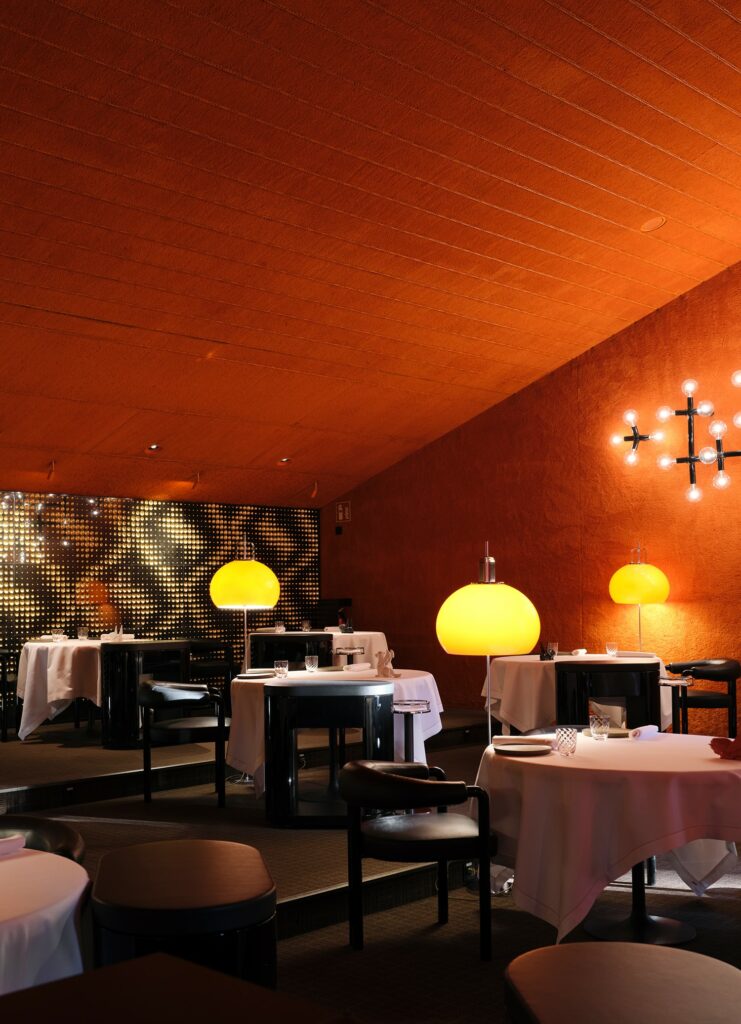
I feel we are quite unique in the way we envelop our guests in the warm atmosphere of truffle black and lobster red. It stretches from architecture to food and wine and, of course, service.
When guests walk through the doors of Tantris in 2030, what do you hope they will still feel—and what might surprise them?
Guests in 2030 will hopefully feel that sense of homecoming – even if they’re first-timers. When you walk through those revolving doors, you can’t help but feel special.
And that seems to always surprise people. How homey, but festive, our Maison is.
From your position, you have observed the evolution of fine dining both in Germany and internationally. What do you think are the most significant shifts shaping the future of great restaurants today?
The biggest shift, I think, is away from the extremes and towards comfort. Away from global luxury product to local authenticity.
Guests have been shocked, surprised, amazed, entertained and are now looking to connect, to not only be told a story, chase the thrill – they want to be part of the story.
Les Grandes Tables du Monde brings together restaurateurs from around the world. In your view, what can restaurant leaders learn from one another across borders and cultures?
We are in the people business, and restaurant leaders can support each other through community, friendship, and the exchange of ideas.
By sharing experiences across borders and cultures, we gain new perspectives, inspire each other, challenge each other, and ultimately become better restaurateurs.
To me, that’s the biggest value Les Grandes Tables du Monde has. I can now pick up the phone, call a friend, and ask for advice. To me, that’s priceless.